

WHITE PAPER
Align, Anticipate, Automate:
Why Pharmacies Must Optimize Procurement Now

Download the white paper
Complete this form to get the PDF version of our white paper.

This white paper explores the transition from reactive to proactive strategies and introduces solutions to streamline pharmacy purchasing and anticipate issues. First, we’ll outline the challenges facing pharmacy procurement.
Traditionally, many pharmacies treat procurement as a “back office” function. But procurement can also be integrated into their operations as a strategic driver of cost savings, efficiency and improved patient care. Today, as pharmacies face mounting pressures, the ability to enhance procurement toward these goals is crucial.
Rising Pressures on Pharmacies
Reimbursement rates for prescription drug products continue to decline steadily, leading to even more shrinking margins. We also see market compression as drug manufacturers shift their portfolios. A study by one equity research organization highlights how distribution options remain highly concentrated, underscoring the importance of disciplined vendor alignment and contract compliance. Even small inefficiencies can translate into significant losses. Cost control is more important than ever.
Frequent fluctuations in drug pricing and other factors driving pricing volatility make it extremely difficult for pharmacies to accurately forecast costs. One study of federal data found that, when in shortage, drugs can experience an average 16.6% price increase and that some substitutes tripled in price. This unpredictability forces procurement teams to constantly adjust purchasing decisions, often without the benefit of reliable long-term data. Proactive pharmacy procurement can help identify cost-effective options and maximize pharmacy cost savings during these shortages.
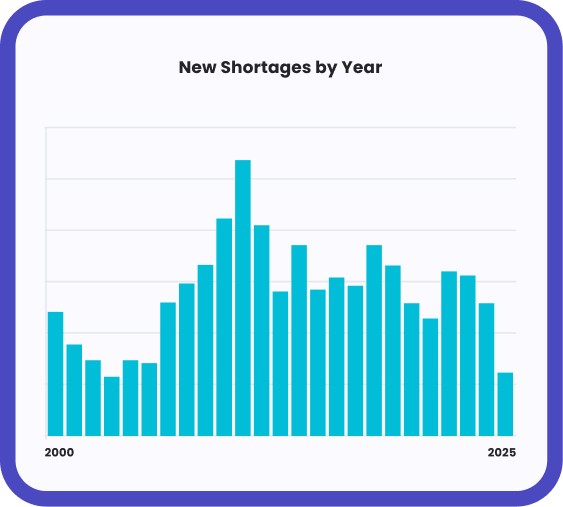
Unfortunately, drug shortages continue to reach troubling heights. The first quarter of 2024 saw the highest rate of drug shortages in nearly a decade, and active shortages remain stubbornly high. That means pharmacies must contend with higher costs during shortages and potentially face reputational and clinical risks if they can’t supply patients with their needed medications.
Finally, many pharmacies are managing with fewer staff, leaving teams stretched thin. ASHP’s national survey underscored sustained efforts to measure, prevent and mitigate burnout across pharmacy teams. The need to constantly “firefight” shortages and cost swings reduces the time available for patient-focused work, top-of-license responsibilities and strategic planning.
Cut costs. Reduce risk. Strengthen operations.
Siloed systems don’t allow full integration with vendor agreements, compliance requirements and inventory management. All this fragmentation leads to further missed savings opportunities and inefficiencies.
Pharmacy Procurement Chokepoints
With pharmacies facing all these pressures, it’s easy to overlook how some purchasing practices divert time and attention. “Traditional” pharmacy purchasing impacts efficiency and solvency, starting with outdated manual processes. Heavy reliance on spreadsheets, phone calls and manually checking orders drains time and energy from staff. These processes are prone to error and divert teams from clinical responsibilities.
Without systematic oversight, pharmacies risk missing rebate requirements, contract obligations or regulatory standards. These lapses can result in financial penalties, damaged vendor relationships or lost savings. Modern pharmacy procurement software can automate these processes, reduce errors and make pharmacy purchasing more efficient.

However, many pharmacies rely on legacy systems and homegrown, jerry-rigged solutions. These systems aren’t adapted to pharmacy purchasing. They lack automation and predictive insights. As a result, procurement remains reactive instead of adaptive, leaving operations vulnerable to disruption. Pharmacies also miss out on significant savings opportunities because they lack the time and tools to compare all products while accurately checking their impact on compliance.
Pharmacies can’t afford to remain reactive. Responding to price fluctuations and drug shortages at the last minute is costly and stressful. Reactive procurement is essential to staying competitive and meeting patients’ needs.
Reactive Procurement
- Pharmacies fail to address issues until it’s too late
- Teams left in “firefighting” mode
- Staff lose time and mental bandwidth to tedious processes and make more errors
- Patient care is disrupted because of unreliable supply
- Pharmacies miss compliance, pay more and risk penalties
Proactive Procurement
- Anticipate risks early with predictive data and supplier insights
- Leverage automation to ensure compliance and standardize purchasing strategy
- Build resilience by planning for shortages and diversifying vendor options
- Sustain patient relationships
- Increase savings potential
- Streamline work and make teams’ jobs easier
Reduce errors. Increase compliance. Strengthen resilience.
Technology can never replace people, but the right solution will make their jobs easier and strengthen operations.
Procurement as a Strategic Lever
With these challenges in mind, pharmacies can no longer treat procurement as a simple clerical task. Instead, procurement should become a strategic function with direct implications for profitability, resilience and patient outcomes. Integrating pharmacy procurement software enables automation, predictive insights and consistent pharmacy purchasing, leading to measurable pharmacy cost savings.
Harnessing Pharmacy Procurement Software
SureCost’s Purchase Manager Compliance Insights™ aligns pharmacy procurement with organizational strategy at every stage:
- Aligns every purchase order with cost, compliance and product requirements, automatically and consistently
- Identifies high-risk or non-compliant options before purchasing
- Models potential reimbursement and compliance impact for pharmacy cost savings
- Provides oversight (without adding more work or complexity)
- Allows teams to focus on higher-value work
Coming Soon: Drug Shortage Insights™
SureCost’s upcoming Drug Shortage Insights™ platform will offer a robust suite of features to help pharmacies proactively manage shortages:
| Feature | Function | Benefits |
|---|---|---|
| FDA-backed shortage signals | Combines FDA alerts and vendor availability data |
|
| Interactive trend timelines | Toggle quarter/month/week alongside other purchasing data |
|
| Watchlist analytics | Track grouped NDCs from all vendors on a single dashboard |
|
| Predictive risk scores | Flag potential shortages and quantify their likelihood |
|
| Smart reorder guidance | Automatically pull fulfillment data, vendor alerts and other information |
|
Building a Resilient Workflow
A state-of-the-art pharmacy procurement software will streamline workflows and enhance how teams work.
Once pharmacies have clearly established procurement goals centered on cost savings, compliance and vendor transparency, automation serves as a “guardrail” to ensure a consistent purchasing strategy. Instead of relying on constant human oversight, automation aligns every order and directs purchasing teams to the most suitable options.
Better insight means better decisions and stronger outcomes for every pharmacy.

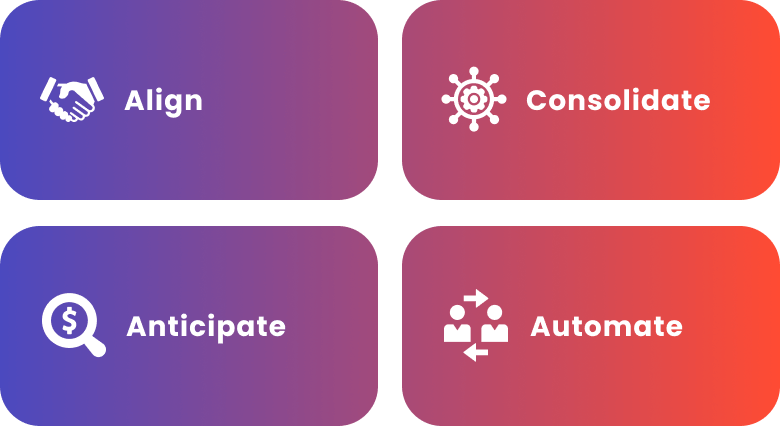
The right approach to procurement centers around pharmacies’ ability to take three key actions.
At the same time, predictive data enables pharmacies to monitor risks (e.g., potential shortages, vendor delays, etc.) in real time, reducing “surprises” and allowing teams to adapt to industry shifts, vendor deals and regulatory changes.
Key Pharmacy Capabilities for Sustained Success
First, the ability to align pharmacy purchasing with data and goals: Every order should be tied to cost, compliance and product goals, ensuring procurement consistently supports strategic objectives.
Instead of manual analysis between multiple vendor catalogs, consolidating all that data into a single interface allows teams to quickly and easily find the best purchasing options. They can then optimize compliance to derive the maximum advantage from vendor agreements and ensure 100% compliance.
Pharmacies must then be able to anticipate changes and challenges, for example, using predictive data to foresee drug shortages and prevent disruptions, manage costs effectively and maintain patient trust.
The ability to automate purchasing is no longer a luxury; automation embeds procurement strategy directly into workflows, reducing manual effort, minimizing errors and freeing staff for higher-value responsibilities—essential capabilities as teams are stretched thin. The right pharmacy procurement software is a key tool in strategic purchasing.
Pharmacy Procurement Software Case Study
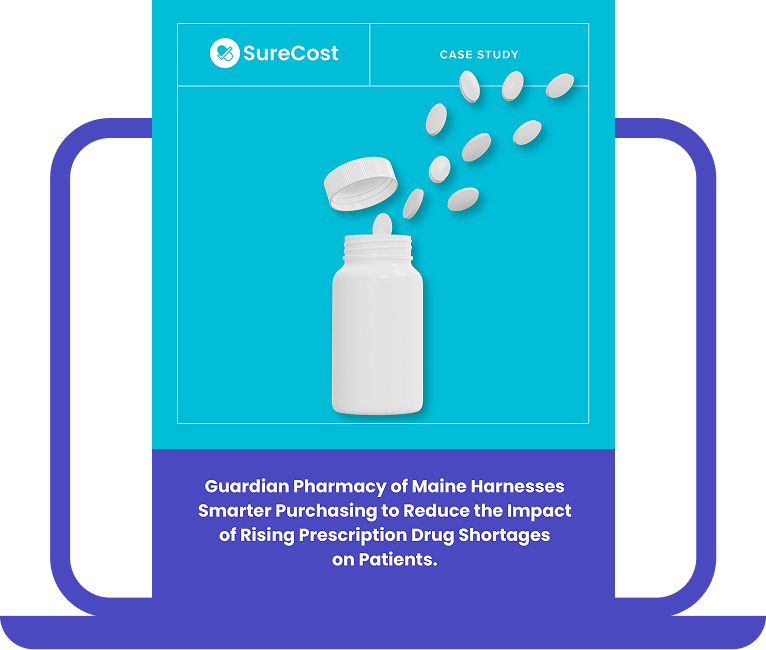
Guardian Pharmacy of Maine illustrates how proactive procurement tools create tangible results. Post-COVID shortages strained operations, and manual processes limited vendor flexibility. By adopting SureCost solutions, the pharmacy gained expanded vendor access, integrated visibility into pricing and availability and automated purchasing workflows.
The results included a more reliable supply chain, greater efficiency and cost savings. Most importantly, staff were able to spend more time on patient care rather than on administrative burdens. SureCost has published a case study of Guardian Pharmacy with more information.
“SureCost combines all our vendors into one screen in any way our pharmacy may want to view availability and pricing. It’s also very easy to describe to another purchaser on my team.”
Chris Bayrd, Regional Purchaser at Guardian Pharmacy
Streamlined procurement strengthens operations, reduces risk and frees teams to focus on patient care.
With the right strategy and solutions in place, pharmacies anticipate risks and reduce hidden costs associated with reorders, vendor delays and rush sourcing.
The Value of Being Proactive
Over time, aligning procurement with cost goals delivers measurable savings. Automated compliance checks ensure every order meets regulatory and contractual standards. This minimizes the risk of missed rebates, penalties or reputational harm.
Pharmacies that implement pharmacy procurement software and streamline purchasing can achieve measurable pharmacy cost savings, reduce administrative burden and strengthen patient care. Predictive insights allow staff to spend less time scrambling for alternatives. Streamlined workflows enable teams to focus on high-value work, such as patient care, rather than administrative tasks. Early visibility into potential shortages gives pharmacies the time they need to secure alternatives. These measures foster stronger relationships with vendors and minimize disruption to patient service.
Next Steps
Pharmacies ready to enhance procurement and stay competitive can:
- Schedule a tailored consultation with SureCost to design a solution that fits their unique needs
- Explore how Purchase Manager Compliance Insights™ can deliver measurable savings, resilience and efficiency